Seller Behavior Is Information: What Non-Cooperation Really Tells You
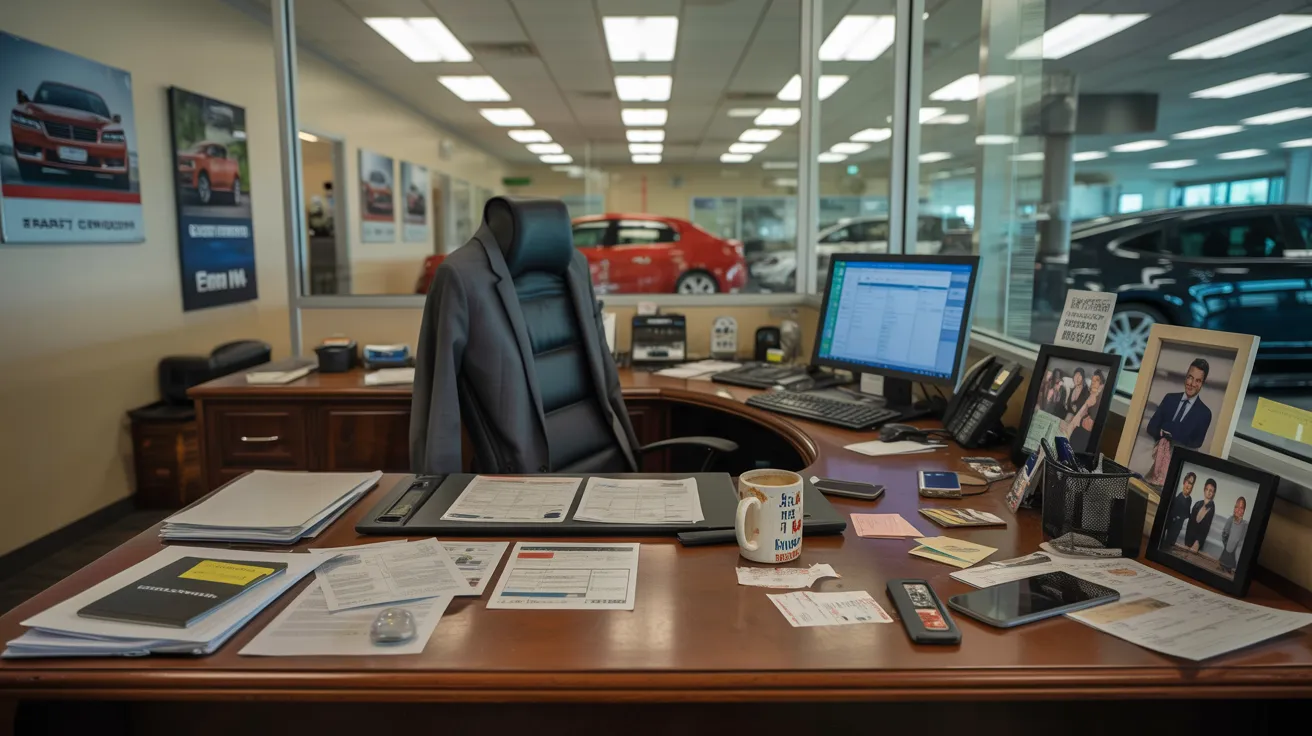
Everything was going great. The seller was friendly, responsive, eager to answer your questions. You felt good about the car. Then you mentioned scheduling a pre-purchase inspection.
And now? Radio silence.
If this sounds familiar, you’re not alone. We contact sellers on behalf of our customers for every inspection we schedule—because it’s their vehicle, their property, and we need their cooperation to do our job. What happens after that request tells us a lot.
Sometimes, the most valuable information an inspection provides isn’t about the car at all. It’s about the seller.
When Communication Patterns Shift
Here’s a scenario we see regularly:
A buyer finds a car they like. They communicate with the seller—private party or dealership—and everything feels collaborative. The seller answers questions promptly, seems transparent, builds rapport.
Then the buyer schedules an inspection. And suddenly:
- Radio silence — The seller stops responding to our calls and messages
- Ghosting the buyer — Even the buyer can’t get through anymore
- The handoff shuffle — At dealerships, you keep getting passed to different salespeople who don’t know your situation
- Running out the clock — Delays pile up until your timeline expires or your financing window closes
- Scheduling games — The car is mysteriously “unavailable” on every day you can do the inspection
- Pressure to skip it — “We’ve got another buyer coming today—can you just decide now?”
Each of these patterns is information. Not definitive proof that something’s wrong with the car, but a data point worth weighing.
Why This Happens (It’s Not Always Malicious)
Before we go further, let’s acknowledge something important: non-cooperation isn’t always a sign of deception.
Some dealerships are simply disorganized. They’re optimized for real-time, in-person sales—someone’s on the lot, they’re looking at a car, the salesperson works to close. That’s what they’re built for.
They may not have good processes for:
- Managing inquiries from out-of-area buyers
- Coordinating third-party inspections
- Maintaining relationships over multiple days or weeks
- Following up when the customer isn’t physically present
This doesn’t make them bad actors. It makes them chaotic. The effect on you as a buyer, though, is similar—you can’t get what you need to make an informed decision.
The distinction matters for how you interpret the situation, but it doesn’t change what you should do about it.
Words vs. Actions: Trust the Actions
Here’s the pattern that confuses buyers most:
Every time you talk to the seller, they’re wonderful. Friendly. Accommodating. They say all the right things. But their actions don’t match their words.
- They say they want to help—but they don’t return calls.
- They say the inspection is no problem—but they can’t find a time that works.
- They say they’re being straight with you—but they keep introducing delays.
When words and actions conflict, trust the actions.
This is hard because buying a car is emotional. You’ve invested time researching, imagining yourself driving it, maybe even telling friends and family. That emotional investment makes you want to believe the friendly words, to explain away the inconsistent actions.
Sellers know this. Some exploit it deliberately. Others just benefit from it accidentally because you give them the benefit of the doubt they haven’t earned.
What Non-Cooperation Might Mean
When a seller goes non-cooperative after an inspection request, there are several possibilities:
They Know Something’s Wrong
The most concerning interpretation: they know the car has problems that an inspection would reveal, and they’d rather let your deal fall apart than have those problems documented.
This is especially likely when:
- They were cooperative until the inspection was mentioned
- They become evasive about specific questions
- They pressure you to buy before the inspection can happen
- They suggest the inspection is unnecessary or insulting
They Don’t Want the Hassle
Some sellers—especially private parties—just don’t want to deal with the complexity. They want a simple cash transaction with minimal friction. An inspection feels like too much work.
This isn’t deceptive, but it’s still a red flag. If they’re unwilling to accommodate basic due diligence, what else are they unwilling to do? What corners have they cut in maintaining the vehicle?
They’re Protecting a Quick Sale
At dealerships especially, your deal might be competing with another buyer who’s ready to sign today without an inspection. The salesperson’s incentive is to close the fastest deal, not necessarily the deal that’s best for you.
This is the system working as designed—which doesn’t mean it’s working in your favor.
They’re Genuinely Disorganized
As mentioned above, some sellers just can’t get their act together. This isn’t about hiding anything; it’s about operational chaos.
But even then, consider what this tells you about how they’ve handled the car. People who can’t manage their calendar often can’t manage maintenance schedules either.
What You Should Do
1. Give Them a Fair Chance
One missed call or delayed response isn’t a pattern. People get busy. Messages get lost. Give the seller a reasonable opportunity to cooperate before drawing conclusions.
A direct message like: “I’d like to move forward, but I need to complete my inspection first. What times work this week?” gives them a clear path.
2. Document the Pattern
If non-cooperation persists, keep track:
- When you reached out
- How you reached out
- What response (if any) you received
- What they said vs. what actually happened
This documentation might matter later, and it helps you see the pattern clearly rather than through the haze of hope.
3. Set a Deadline (For Yourself)
Decide in advance: “If I can’t get this inspection scheduled by [date], I’m moving on.”
This protects you from the slow fade—where you keep waiting, keep hoping, keep the emotional investment growing while the seller runs out the clock.
4. Listen to What Their Behavior Is Telling You
If a seller won’t cooperate with an inspection—for whatever reason—that’s information about the transaction you’re about to enter.
Ask yourself:
- If they’re this difficult before I’ve given them money, what happens after?
- If they won’t accommodate basic due diligence, what are they hiding—or what do they not care about?
- Is this the kind of transaction I want to be in?
5. Be Willing to Walk Away
This is always your greatest asset. There will be other cars. Your ability to walk away is the one power that can’t be taken from you.
A car that you can’t properly evaluate isn’t a good deal at any price. You don’t know what you’re buying. The friendly seller who won’t let you find out is not actually being friendly to you.
The Pressure Flip
Here’s a technique for when you’re getting pressure to close before an inspection:
Turn their urgency into information.
“If there’s another buyer coming, that’s fine—I hope it works out for them. But I don’t buy cars without an inspection. If this one sells before I can evaluate it, I’ll find another one.”
You’re not being difficult. You’re being clear. And you’re signaling that you can’t be pressured into skipping due diligence.
A seller with a good car and honest intentions will respect this. They might be disappointed if the timing doesn’t work, but they won’t try to manipulate you out of protecting yourself.
A seller who escalates pressure in response? That’s information too.
When Cooperation Is a Good Sign
The flip side of all this: cooperative sellers are telling you something positive.
When a seller:
- Welcomes the inspection
- Makes the car available promptly
- Provides access and documentation
- Doesn’t pressure you about timeline
…they’re demonstrating confidence in what they’re selling. They’re treating the inspection as a normal part of the process, not a threat.
This doesn’t guarantee the car is perfect—inspections still find issues on cars from cooperative sellers. But it suggests the seller isn’t hiding anything they know about, and that they respect your need to make an informed decision.
The Real Cost of Emotional Investment
Here’s the uncomfortable truth: the longer a transaction drags on, the harder it becomes to walk away.
You’ve spent hours researching. You’ve imagined the car in your driveway. You’ve maybe told people you’re buying it. You’ve turned down other options because you were “committed” to this one.
Some sellers exploit this by dragging things out deliberately. The more invested you become, the more likely you are to buy even without proper evaluation. The sunk cost fallacy works in their favor.
The best defense is recognizing when your emotions are being managed, not just your transaction.
If you notice yourself:
- Making excuses for the seller’s behavior
- Accepting less transparency than you’d normally require
- Feeling desperate to close even as cooperation disappears
…that’s a sign to pause and evaluate whether you’re making a decision or being manipulated into one.
It’s Not Personal (Even When It Feels Like It)
Getting ghosted or stonewalled by a seller can feel like rejection. It can feel personal. You might find yourself wondering what you did wrong.
You didn’t do anything wrong. You did something right: you asked for the information you needed to make a smart decision. The seller’s response to that reasonable request told you something important about whether this was the right transaction for you.
That’s not failure. That’s the system working. Better to learn this now than after you’ve signed papers and handed over money.
The Bottom Line
Seller behavior is information.
How someone acts when you request an inspection tells you about:
- Their confidence in what they’re selling
- Their respect for your decision-making process
- Their organizational competence
- Their likelihood of being honest about problems
Sometimes non-cooperation is malicious. Sometimes it’s just chaos. Either way, it’s telling you something about whether this is a transaction you want to be in.
Trust the actions over the words. Don’t let artificial urgency push you past your standards. And remember that walking away is always an option—usually the right one when a seller won’t let you find out what you’re actually buying.
Ready to see how a seller responds to a professional inspection request? Schedule your inspection and let their behavior tell you what you need to know.
About the Author
John Coleman
Founder, Spokane Preinspection
I started Spokane Preinspection with one goal: make buying a used car easier, faster, and more fair. Every inspection we do puts real information in buyers' hands so they can make confident decisions.
Learn More About Us →Ready to Buy or Sell With Confidence?
Book a professional pre-purchase inspection and know exactly what you're dealing with.
Book Inspection