What 'As-Is' Really Means When Buying a Used Car (It's Not as Scary as It Sounds)
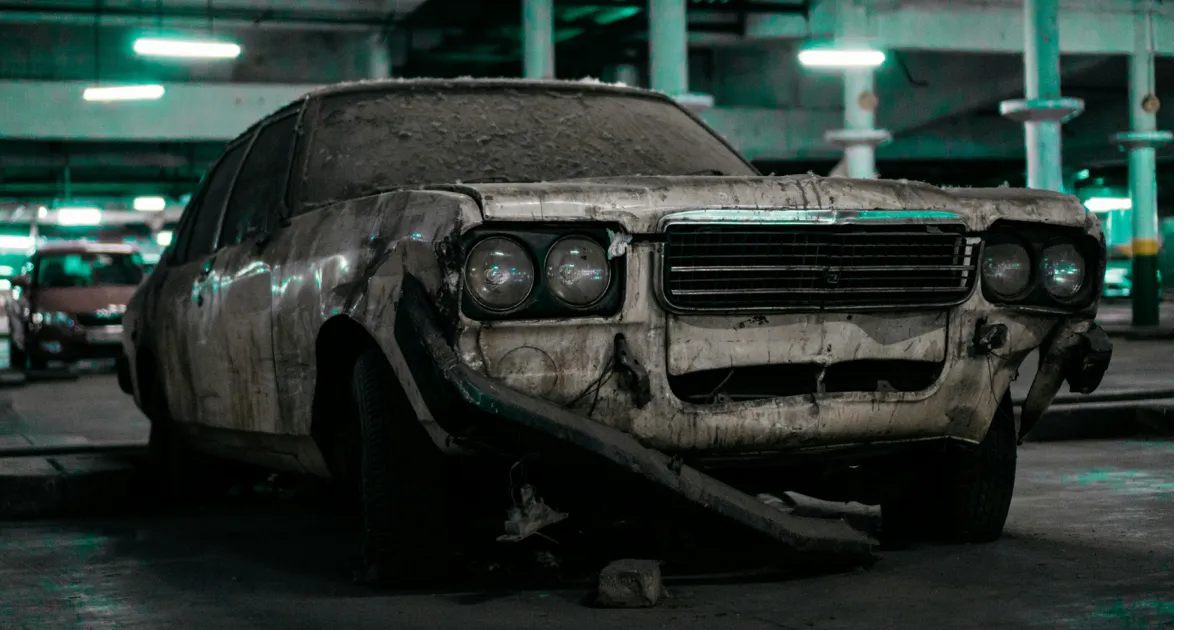
“Sold as-is.”
Those two words can send a chill down a used car buyer’s spine. They sound ominous—like the seller is warning you that you’re about to buy a disaster and there’s nothing you can do about it.
But here’s the thing: as-is isn’t as scary as it sounds when you understand what it actually means—and how to protect yourself.
Every year, millions of used cars are sold as-is. Most of those transactions work out fine. The key isn’t avoiding as-is sales (which is nearly impossible in the used car market). The key is going in with open eyes.
What “As-Is” Actually Means
In legal terms, as-is means the seller isn’t warranting future performance. They’re selling you the car in its current condition, whatever that condition turns out to be.
What as-is means:
- The seller isn’t guaranteeing the car will work perfectly after purchase
- You’re accepting the vehicle in its present state
- Future repairs are your responsibility
- The seller isn’t liable for problems you discover after buying
What as-is does NOT mean:
- The seller can lie about the car’s condition
- The seller can hide known defects when asked directly
- The seller can commit fraud (odometer tampering, title washing, etc.)
- You have no recourse if you were actively deceived
This distinction matters enormously. As-is protects sellers from problems they didn’t know about. It doesn’t give them license to deceive you.
Why As-Is Is Standard for Used Cars
If as-is sounds one-sided, consider why it exists:
Used cars are inherently uncertain. Unlike new cars, which come with manufacturer warranties because they’re supposed to be defect-free, used cars have history. Miles. Wear. Previous owners who may or may not have maintained them properly. Unknown factors.
Expecting a private seller or used car dealer to warranty a 10-year-old vehicle with 100,000 miles isn’t realistic. They don’t know everything about the car. They can’t predict what will fail. Requiring them to guarantee future performance would make most used car sales impractical.
As-is places the due diligence responsibility on the buyer. The assumption is that you’ve had the opportunity to:
- Inspect the vehicle yourself
- Have it professionally inspected
- Ask questions about its history
- Research common problems with that make/model
- Make an informed decision
Once you sign, you’ve accepted the car as it is. That’s not unfair—it’s a recognition that used vehicles come with inherent uncertainty, and buyers should investigate before committing.
The Real Risk: Surprises, Not As-Is
Here’s a reframe that might help: As-is isn’t the problem. Surprises are the problem.
Consider two scenarios:
Scenario A: You buy a car as-is without inspection. A month later, you discover it needs $2,500 in repairs. You’re angry, frustrated, and stuck paying for problems you didn’t know about.
Scenario B: You have the car inspected before buying. The inspection reveals it needs $2,500 in near-term repairs. You either negotiate a lower price, factor the repairs into your decision, or walk away.
Both scenarios involve the same car with the same problems. The difference is whether you knew about those problems before or after you committed.
As-is doesn’t hurt informed buyers. It only hurts buyers who skip due diligence and then discover problems they could have known about.
Maintenance vs. Defects: The Reality of Used Car Ownership
Here’s something many first-time used car buyers don’t fully appreciate: maintenance is part of ownership, not a defect.
Brakes wear out. Tires need replacement. Belts age. Fluids need changing. Batteries die. This isn’t something wrong with the car—it’s the reality of owning a mechanical device.
When you buy a used car as-is, you’re accepting:
- Current condition (good or bad)
- Normal maintenance responsibilities
- The possibility of unexpected repairs
What you’re trying to avoid isn’t maintenance itself. You’re trying to avoid:
- Surprises — major problems you didn’t know about
- Maintenance debt — deferred maintenance that’s accumulated into big repair bills
- Hidden damage — previous accidents, flood damage, or other issues that affect value and reliability
An inspection doesn’t eliminate maintenance responsibilities. It tells you what maintenance the car needs now and what it might need soon—so you can budget appropriately instead of being blindsided.
What “As-Is” Doesn’t Protect Sellers From
As-is is not a get-out-of-fraud-free card. Sellers can still be held accountable for:
Active fraud:
- Odometer tampering (federal crime)
- Title washing (hiding salvage or flood history)
- Lying about accident history when asked directly
- Misrepresenting material facts about the vehicle
Washington Consumer Protection Act violations:
- Deceptive business practices
- Material misrepresentation
- Unfair or fraudulent conduct
If a seller tells you “this car has never been in an accident” and you later discover evidence of significant collision repair, that’s not an as-is issue—that’s potential fraud. You may have legal recourse.
The practical challenge: Proving fraud requires evidence that the seller knowingly lied. This often means legal costs, time, and uncertainty. It’s real protection, but it’s not a safety net you want to rely on.
How to Protect Yourself in As-Is Purchases
Since as-is is standard, your protection strategy needs to happen before you buy:
1. Get a Professional Inspection
This is your single most effective protection. A thorough inspection reveals:
- Current mechanical condition
- Evidence of previous damage or repairs
- Wear items that need attention soon
- Problems the seller may not even know about
For $225, you get information that could save you thousands—and the opportunity to negotiate or walk away while you still can.
2. Ask Questions and Document Answers
Ask the seller directly about:
- Accident history
- Major repairs
- Known problems
- Maintenance history
- Reason for selling
If they answer in writing (text, email), you have documentation. If they lie about material facts, that documentation supports a fraud claim.
3. Get Everything in Writing
Any promises beyond as-is need to be in the purchase agreement:
- “Seller will repair X before delivery”
- “Vehicle includes 30-day warranty on powertrain”
- “Seller represents no known accidents”
If it’s not written, it doesn’t exist. Verbal promises are worth nothing in an as-is sale.
4. Know What You’re Buying
Research the specific make, model, and year:
- Common problems
- Typical maintenance costs
- Expected lifespan of major components
- Fair market value
The more you know going in, the better decisions you’ll make.
5. Be Willing to Walk Away
Your greatest protection is your ability to say no. If something feels wrong, if the seller won’t allow an inspection, if the price doesn’t match the condition—walk away.
There will always be other cars. There’s only one you, and your money is finite.
The Inspection Makes As-Is Work
Here’s the key insight: As-is purchases work fine for informed buyers.
When you know exactly what you’re buying—actual condition, not just listing claims—the as-is nature of the sale doesn’t matter much. You’ve made an informed decision. You’re not surprised by problems because you knew about them beforehand. You either negotiated accordingly or decided the car was worth it anyway.
The inspection is what makes this possible:
Without inspection: You’re gambling. The car might be fine. It might be a money pit. You won’t know until it’s too late.
With inspection: You know. Not everything (no inspection catches everything), but enough to make a genuinely informed decision. Enough to negotiate. Enough to walk away if needed.
As-Is vs. Warranty: Understanding the Trade-Off
Sometimes you can pay extra for warranty coverage on a used car. Should you?
Consider:
- What exactly is covered?
- What’s excluded?
- What’s the deductible?
- How long does it last?
- Who provides the warranty (dealer, third party, manufacturer)?
- What’s the claims process?
Warranties can be valuable—but they’re not a substitute for inspection. A warranty might cover the repair cost, but it won’t tell you what problems exist before you buy. You could still overpay for a car that needs immediate work, even if the warranty eventually pays for repairs.
Best approach: Inspect first, then decide if additional warranty makes sense based on what you find. Don’t use warranty as a replacement for knowing what you’re buying.
Frequently Asked Questions
Is it safe to buy a car sold “as-is”?
Yes, as long as you do your due diligence. Most used cars are sold as-is, and most of those transactions work out fine. The key is inspecting the vehicle before purchase so you know exactly what you’re buying.
Can I return an as-is car if problems appear?
No. As-is means you accepted the car in its current condition. Washington has no return law for vehicle purchases. Your only recourse would be if you can prove fraud—that the seller knowingly lied about material facts.
What if the seller lied about the car’s condition?
If you can prove the seller made false statements about material facts (not opinions—actual facts), you may have grounds for a fraud claim under Washington’s Consumer Protection Act. Document everything and consult with an attorney if you believe you were defrauded.
Should I avoid as-is sales?
That’s not really practical—almost all used car sales are as-is. Instead of avoiding them, protect yourself through inspection, research, and documentation. Informed buyers do fine with as-is purchases.
What does an inspection cost compared to surprise repairs?
A professional inspection costs $225. The average surprise repair on an uninspected used car purchase can easily run $1,500-5,000+. The inspection is cheap insurance—and it gives you negotiating leverage that often pays for itself.
Is “as-is” the same as “no warranty”?
Essentially, yes. As-is means the seller isn’t warranting future performance. You’re buying the car in its present condition with no promises about what happens after the sale.
“As-is” isn’t a trap—it’s the reality of used car transactions. The term sounds scary because it shifts responsibility to you, the buyer. But that’s not unfair when you understand it.
Your protection isn’t in avoiding as-is sales. It’s in knowing exactly what you’re buying before you commit. An inspection gives you that knowledge. Everything else follows from there.
About the Author
John Coleman
Founder, Spokane Preinspection
I started Spokane Preinspection with one goal: make buying a used car easier, faster, and more fair. Every inspection we do puts real information in buyers' hands so they can make confident decisions.
Learn More About Us →Ready to Buy or Sell With Confidence?
Book a professional pre-purchase inspection and know exactly what you're dealing with.
Book Inspection