The Lemon Law Myth: Why It Won't Protect Your Used Car Purchase in Washington
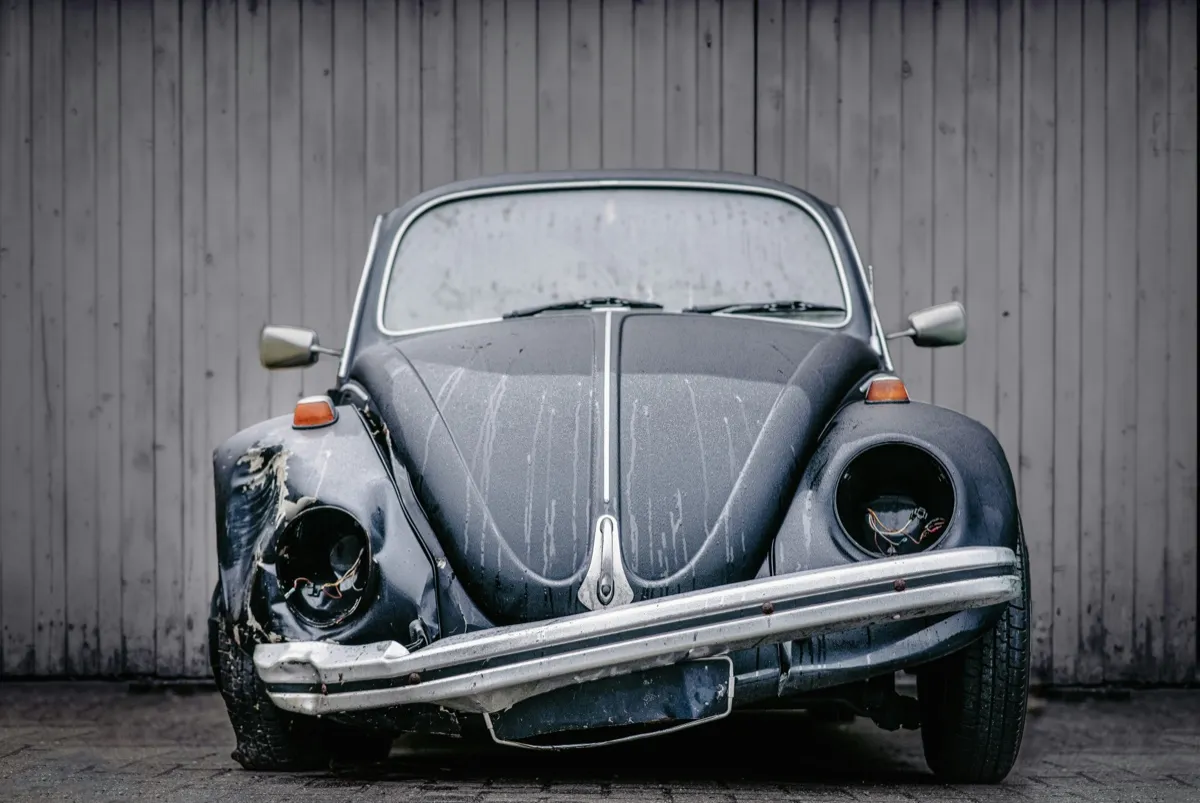
“I’ll just use the Lemon Law if something goes wrong.”
We hear this from used car buyers more often than you’d expect. It sounds reasonable—there’s a law specifically designed to protect car buyers from defective vehicles. Surely it applies to your used car purchase, right?
Wrong. And this misconception could cost you thousands of dollars.
Washington’s Lemon Law is real. It does protect car buyers. But it almost certainly doesn’t apply to your used car purchase, and understanding why could save you from a very expensive lesson.
What Washington’s Lemon Law Actually Covers
Let’s be clear about what the Lemon Law is designed to do:
Washington’s Lemon Law protects buyers of NEW vehicles from recurring manufacturer defects that can’t be repaired despite reasonable attempts.
The key elements:
- New vehicles only (or sometimes certified pre-owned under manufacturer warranty)
- Manufacturer defects — problems with how the car was built
- Recurring issues — the same problem keeps happening after multiple repair attempts
- Warranty period — typically during the original manufacturer warranty
The law exists because new car buyers have a reasonable expectation that a brand-new vehicle shouldn’t have fundamental defects. If you buy a new car and the transmission fails three times in the first year despite dealer repairs, the manufacturer should be held accountable.
This is completely different from buying a used car with worn components or existing problems.
Why the Lemon Law Doesn’t Apply to Used Cars
When you buy a used car, you’re purchasing a vehicle with history. It has miles on it. Components have worn. Previous owners may or may not have maintained it properly. Things break on used cars—that’s not a manufacturing defect, that’s the nature of used vehicles.
The Lemon Law doesn’t cover:
- Normal wear and tear
- Components that fail due to age or mileage
- Problems that existed before you bought the car
- Issues caused by previous owner neglect
- Maintenance items like brakes, tires, or fluids
- “As-is” purchases (which most used cars are)
Here’s a simple test: Is this a problem with how the car was manufactured, or a problem with its current condition?
If you buy a used car and the transmission fails, that’s almost never a Lemon Law issue. That’s a used car with a bad transmission—which is exactly why you should have inspected it before buying.
The “As-Is” Factor
Most used car sales in Washington are “as-is.” This legal term means the seller isn’t warranting the vehicle’s future performance. You’re buying the car in its current condition, whatever that condition turns out to be.
As-is sales explicitly shift the risk to the buyer. The assumption is that you’ve had the opportunity to inspect the vehicle, evaluate its condition, and make an informed decision. Once you sign, you’ve accepted that risk.
For more on what as-is means and how to protect yourself, see: No Return Law for Used Cars in Washington State.
What About Dealer Warranties?
Some dealers offer limited warranties on used vehicles. These are not the same as Lemon Law protection:
Dealer warranties:
- Are voluntary business decisions, not legal requirements
- Have specific terms, conditions, and limitations
- Cover only what’s explicitly stated
- May have deductibles or repair caps
- Don’t automatically make the car a “lemon” if problems occur
If a dealer offers a 30-day/1,000-mile powertrain warranty and your engine fails on day 31, that’s unfortunate—but it’s not a Lemon Law issue. It’s a warranty that expired.
Always read warranty terms carefully. Understand exactly what’s covered, for how long, and what you’d need to do to make a claim.
What About Certified Pre-Owned Vehicles?
Certified Pre-Owned (CPO) programs occupy a middle ground. They typically include:
- Manufacturer-backed extended warranty
- Multi-point inspection (by the dealer, not independent)
- Some additional protections
CPO programs may extend some Lemon Law-style protections because they include manufacturer warranties. However:
- Coverage varies significantly between programs
- Not all problems qualify
- You still can’t return a CPO car just because you changed your mind
- The CPO inspection isn’t the same as an independent pre-purchase inspection
Even with CPO vehicles, the warranty covers repairs—it doesn’t give you a “get out of purchase free” card.
The Real Protections You Do Have
While the Lemon Law won’t help most used car buyers, you’re not completely unprotected:
Fraud and Misrepresentation
If a seller lies about material facts—odometer tampering, undisclosed accident damage, hidden title issues—you may have grounds for legal action under Washington’s Consumer Protection Act. This isn’t Lemon Law territory, but it is a real legal remedy.
The challenge: You need to prove the seller knowingly misrepresented the vehicle. This requires evidence, often legal costs, and significant time.
Written Warranties
If the seller provides a written warranty and refuses to honor it, you have contractual recourse. Again, not Lemon Law—but enforceable.
Your Best Protection: Before You Buy
Here’s the uncomfortable truth: your most effective protection happens before you sign, not after.
Washington State has no return law for used car purchases. There’s no 72-hour cooling off period. Once you buy, the car is yours.
This means the time to discover problems is before you commit—not after, when your options are limited to expensive legal action or eating the cost.
What Actually Qualifies as a Lemon?
For reference, here’s what a legitimate Lemon Law claim looks like in Washington:
Scenario: You buy a brand-new 2026 sedan from an authorized dealer. Within the first year of ownership, the transmission fails three times. Each time, the dealer repairs it under warranty. Each time, the problem returns within weeks.
This might be a Lemon Law case because:
- It’s a new vehicle under manufacturer warranty
- The same defect keeps recurring despite repair attempts
- The manufacturer has had reasonable opportunity to fix it
- The defect substantially impairs use, value, or safety
Scenario that’s NOT a Lemon Law case: You buy a 2019 sedan with 60,000 miles from a used car dealer. Six months later, the transmission fails.
Why it’s not a Lemon Law case:
- It’s a used vehicle, not new
- The failure is likely wear-related, not a manufacturing defect
- There’s no manufacturer warranty to enforce
- The as-is sale shifted risk to you
The difference is fundamental. Lemon Law protects against manufacturer accountability for defective products. It doesn’t protect against the inherent risks of buying used vehicles.
The Inspection Alternative
If the Lemon Law won’t protect you, what will?
A pre-purchase inspection identifies problems before they’re your problems.
When you have a vehicle professionally inspected before buying, you know:
- Current mechanical condition (not just history)
- Evidence of previous damage or repairs
- Wear items that need attention soon
- Whether the price is fair for the actual condition
This isn’t just about avoiding bad cars—it’s about making informed decisions on every purchase. Some inspection findings are dealbreakers. Others are negotiating points. Either way, you’re making the decision with full information.
For $225, an inspection can reveal issues that would cost thousands to repair—and gives you the opportunity to walk away or negotiate before you’re committed.
Frequently Asked Questions
Does Washington’s Lemon Law cover used cars?
No. Washington’s Lemon Law applies only to new vehicles (and sometimes CPO vehicles under manufacturer warranty). It covers recurring manufacturer defects that can’t be fixed despite reasonable repair attempts. Used car condition issues—worn parts, maintenance needs, prior damage—are not Lemon Law matters.
What if my used car breaks down right after I buy it?
Unfortunately, this doesn’t create Lemon Law protection. If you bought the car “as-is” (most used car sales), you assumed the risk of existing problems. Your only recourse would be if you can prove fraud or if you have a written warranty the seller won’t honor.
My dealer said the car was inspected. Doesn’t that protect me?
Dealer inspections are not independent—the dealer has an interest in selling the car. Their inspection standards and your expectations may not align. An independent pre-purchase inspection serves your interests, not the seller’s.
Can I return a used car if it has problems?
No. Washington has no return law for vehicle purchases. Once you sign, the car is yours. Some dealers offer voluntary return policies, but these are business decisions, not legal requirements—and they have significant fine print.
What should I do instead of relying on Lemon Law?
Get a professional pre-purchase inspection before buying. This identifies problems while you still have the power to negotiate or walk away. It’s the most effective protection available for used car buyers.
What if I was lied to about the car’s condition?
If you can prove the seller made false statements about material facts (not opinions, but factual misrepresentations), you may have grounds for a fraud claim under Washington’s Consumer Protection Act. This requires proof and often legal assistance, but it’s a real remedy for actual fraud.
The Lemon Law is a valuable consumer protection—for new car buyers. If you’re buying used, you need different protection: thorough inspection before purchase, clear understanding of what you’re buying, and realistic expectations about used vehicle ownership.
Don’t assume protections exist that don’t. Know exactly what you’re getting before you sign.
About the Author
John Coleman
Founder, Spokane Preinspection
I started Spokane Preinspection with one goal: make buying a used car easier, faster, and more fair. Every inspection we do puts real information in buyers' hands so they can make confident decisions.
Learn More About Us →Ready to Buy or Sell With Confidence?
Book a professional pre-purchase inspection and know exactly what you're dealing with.
Book Inspection