No Return Law for Used Cars in Washington State: What Buyers Need to Know
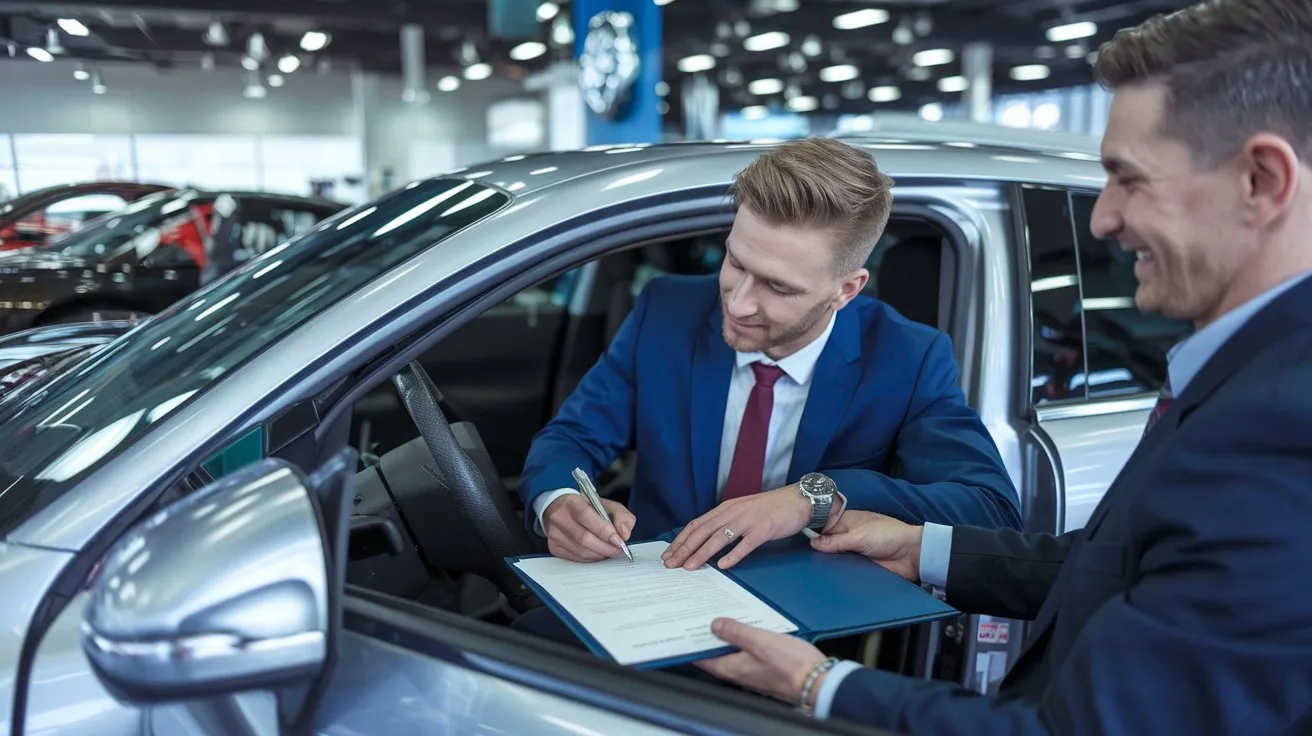
The bottom line: Washington State has no cooling off period, no 72-hour return law, and no buyer’s remorse protection for vehicle purchases. Once you sign the papers, the car is yours—along with any problems it has.
Here’s what the Washington State Attorney General says directly:
“Once you sign the contracts, there is no law that allows you to cancel the contract for any reason within three-days of purchase.”
This isn’t a technicality. It’s the law. And understanding it before you buy could save you thousands of dollars and significant headaches.
Why People Believe in a Car Return Law That Doesn’t Exist
The belief in a 72-hour return period is remarkably persistent. Where does this myth come from?
The Federal “Cooling Off” Rule — The FTC does have a cooling off rule that allows consumers to cancel certain sales within three days. However, this rule specifically applies to door-to-door sales, sales at temporary locations, and certain home solicitation sales. It explicitly does not apply to vehicle purchases made at a dealer’s established place of business.
Confusion with other purchase protections — Many retail purchases do come with return policies—either legally mandated or offered as store policy. People naturally assume car purchases work the same way. They don’t.
National dealer advertising — Some national dealers (like CarMax or Carvana) advertise return windows as a competitive advantage. This marketing can create the impression that return policies are standard or even required. They’re not—these are voluntary business policies, not legal requirements.
For more on how this misconception leads buyers astray, see our detailed breakdown: The Myth of the 72-Hour Return Policy.
No Return Laws Across the Pacific Northwest and Western States
If you’re relocating to Washington from another state, you might assume your new state has similar protections to where you came from. Unfortunately, the entire Pacific Northwest and most western states offer zero statutory return rights for vehicle purchases:
| State | Cooling Off Period for Car Purchases | Notes |
|---|---|---|
| Washington | None | No statutory right to return |
| Oregon | None | No cooling off period |
| Idaho | None | No return law |
| California | None by default | Dealers may offer optional 2-day contracts for a fee |
| Montana | None | No return law |
| Nevada | None | No return law |
California’s optional contract: California law allows dealers to offer a 2-day cancellation option, but this is not mandatory—dealers choose whether to offer it, and they charge a fee (typically $250+). Most don’t offer it. This is not the same as a legal right to return.
The bottom line: If you’re buying a car anywhere in the western United States, assume you have no ability to return it once you sign.
What “As-Is” Actually Means
Most used car sales are “as-is,” and this term sounds scarier than it is. As-is simply means the seller isn’t warranting future performance—you’re buying the car in its current condition.
Here’s the reality: maintenance is part of owning any vehicle. Brakes wear out. Tires need replacement. Components age. This isn’t a defect—it’s ownership. What you’re trying to avoid isn’t maintenance itself, but surprises and maintenance debt—buying a car that needs thousands in immediate repairs you didn’t budget for.
As-is means:
- The vehicle is sold in its current condition
- The seller makes no warranties about future performance
- You accept responsibility for repairs after purchase
As-is does NOT mean:
- The seller can lie about the vehicle’s condition (fraud is still illegal)
- The seller can hide known defects when directly asked
- The seller can misrepresent the vehicle’s history
- Odometer tampering is permitted (it’s a federal crime)
The distinction matters. As-is protects sellers from problems they didn’t know about. It doesn’t give them license to commit fraud.
No inspection catches everything. But a thorough inspection gives you an educated assessment of what the car needs now and what it’ll be like to maintain going forward. That’s the difference between budgeting for expected maintenance and getting blindsided by deferred problems.
Special Warning for Out-of-State and Remote Buyers
If you’re buying a car in Washington State from out of state—whether you’re relocating, purchasing sight-unseen, or buying remotely—understand that you have zero recourse once you sign.
Consider this scenario: You find what looks like a great deal on a vehicle in Spokane. You’re in Florida. You can’t just fly across the country to look at a car. So you:
- Review the photos carefully
- Ask detailed questions
- Get a vehicle history report
- Wire the money
- Sign the paperwork electronically
Two weeks later, the car arrives. The engine has a knock. The transmission slips. There’s rust under the rocker panels that wasn’t visible in photos. The “minor scratches” are actually deep gouges.
Your options: Essentially none. The car is yours. You signed. Washington law provides no mechanism for you to “return” the vehicle or demand your money back simply because the car wasn’t what you expected.
This isn’t hypothetical. We’ve seen sophisticated scams where the car didn’t exist at all, and situations where buyers received vehicles that looked nothing like the photos. For detailed examples, see our guide on Facebook Marketplace Car Scams.
The solution for remote buyers: You need someone physically present to verify the vehicle before you commit. A professional pre-purchase inspection puts an expert’s eyes on the car, verifies it exists, confirms it matches the listing, and identifies problems that photos and history reports can’t reveal.
What About Dealer Return Policies?
Some dealers do offer return policies. These are business decisions, not legal requirements. If a dealer offers a return window:
Get it in writing. Verbal promises are worth nothing. The written purchase agreement is the only thing that matters legally.
Read the fine print. Dealer return policies often include:
- Mileage limits (often 150-300 miles)
- Time limits (24-72 hours typically)
- Restocking fees or penalties
- “Exchange only” rather than refund
- Exclusions for certain damage or conditions
- Documentation requirements
Verify before you sign. Ask specifically: “If I drive this car home and want to return it tomorrow, what is your policy?” Get the answer in writing.
Understand the titling question. In Washington, title transfer is typically initiated at the time of sale. If you “return” a car under a dealer’s policy, there may be complications with title paperwork that the dealer handles—but this is at their discretion under their policy, not a legal right you can enforce.
National Dealers with Return Policies
Some national chains advertise return windows, but the reality is more nuanced than the marketing suggests.
CarMax recently reduced their return window from 30 days to 10 days—which should tell you something about how often these policies were being used and what it was costing them. The detailed terms and conditions aren’t published publicly; you only see them once you’re in their purchase flow. Anecdotal reports suggest the return process itself is relatively smooth, but expect the dealership to make their best effort to talk you out of it. They don’t want to lose the sale or take the car back.
Carvana offers a 7-day return policy, but experiences vary widely. Some buyers report a seamless process. Others describe what can only be called a Glengarry Glen Ross situation—calls going unreturned, paperwork delays, and general stalling tactics designed to push you past the return window. Your mileage may vary, literally.
The takeaway: Even when return policies exist, they’re not the safety net they appear to be. The better question isn’t “can I return this car?” but “am I making a deal I won’t want to return?”
The Middle Ground: When You Want the Car But Overpaid
Here’s a scenario we hear constantly:
A buyer finds a car they love. The price seems fair. They buy it. A week later, the check engine light comes on. Diagnosis: $2,400 in repairs. The car is still a car they want—they’re not trying to return it. But they’re frustrated because they paid market price for what turned out to be a car with significant deferred maintenance.
This is the most common situation, and it’s entirely preventable.
A pre-purchase inspection isn’t just about avoiding lemons. It’s about knowing exactly what you’re buying so you can pay accordingly.
The Negotiation Opportunity You’re Missing
When you buy without an inspection, you’re negotiating blind. You’re accepting the seller’s representation of the vehicle’s condition and paying based on that representation.
When you buy with an inspection, you have documented evidence of the vehicle’s actual condition. This creates three possible outcomes:
-
The car is solid. Great—you buy with confidence, knowing you’re getting what you’re paying for.
-
The car has issues the seller didn’t disclose. Now you can negotiate. “Your listing said excellent condition, but the inspection found worn brake pads, a leaking valve cover gasket, and tires that need replacement within 6 months. That’s $1,800 in near-term costs. Let’s talk about adjusting the price.”
-
The car has serious problems. You walk away. No negotiation needed—you’ve saved yourself from a bad deal entirely.
Without an inspection, option 2 doesn’t exist. You either take the deal blind or walk away on gut feeling. You lose the middle ground where you could have gotten the car you wanted at a fair price that accounts for its actual condition.
The Math That Makes This Obvious
A professional inspection costs $225. Let’s say an inspection reveals $1,500 in needed repairs.
Without inspection: You pay asking price + $1,500 in repairs = overpaid by $1,500
With inspection: You negotiate $1,200 off the price, pay $225 for the inspection = saved $975
Even if the inspection reveals nothing, you’ve bought peace of mind for the cost of a tank of gas and an oil change. And if you’re buying a $15,000+ vehicle, that’s a rounding error for significant risk reduction.
This Isn’t About Fear—It’s About Information
We’re not trying to scare you away from buying used cars. Used cars are often excellent values, and most sellers aren’t trying to deceive you.
But most sellers also aren’t mechanics. They may genuinely not know about developing problems. They may have normalized issues they’ve lived with (“oh, it’s always made that noise”). They may not have maintained the vehicle properly.
An inspection isn’t about assuming the worst. It’s about going in with open eyes. The goal isn’t to avoid buying a car—it’s to make a deal you’ll be happy with six months from now.
When You Might Have Legal Recourse
There are limited circumstances where Washington law may provide some remedy after purchase:
Fraud or misrepresentation — If the seller made false statements about material facts (odometer tampering, undisclosed accident history, title washing), you may have grounds for legal action under Washington’s Consumer Protection Act.
Breach of written warranty — If the vehicle came with an express written warranty and the dealer refuses to honor it, you have legal recourse.
Lemon Law (new vehicles only) — Washington’s Lemon Law protects buyers of new vehicles from recurring manufacturer defects that can’t be repaired. This is another common misconception—many buyers assume Lemon Laws protect any car purchase. They don’t. Lemon Law covers situations where a brand-new car has the same defect repaired multiple times but keeps failing. It does not apply to used vehicles, does not cover normal wear or condition issues, and has nothing to do with buyer’s remorse. If you buy a used car with worn brakes or a transmission problem, Lemon Law won’t help you—that’s a condition of the used vehicle, not a manufacturing defect.
Safety violations — If the vehicle was sold with known safety defects that make it illegal to operate, or if required disclosures were not made, there may be grounds for action.
Important: These remedies require proof, typically involve legal costs, and are not the same as simply “returning” a car because you changed your mind or discovered problems. They’re difficult, expensive, and uncertain.
How to Protect Yourself Before Purchase
Since you cannot rely on any return period, your protection comes before you sign:
1. Get a Professional Pre-Purchase Inspection
A pre-purchase inspection (PPI) is your most important protection. A thorough inspection:
- Identifies mechanical issues before they’re your problem
- Reveals previous damage or repairs
- Verifies the vehicle matches its description
- Gives you negotiating leverage or grounds to walk away
- For remote buyers: confirms the car actually exists
Don’t let anyone rush you past this step. Any seller who refuses to allow an inspection is telling you something important.
2. Research the Vehicle Thoroughly
- Run a vehicle history report—but understand its limitations
- Research common problems for that specific make, model, and year
- Check recall status
- Verify the VIN matches all documentation and the vehicle itself
3. Take Your Time
Pressure is the enemy of good decisions. Legitimate sellers understand that buyers need time to evaluate significant purchases. Anyone pushing you to “decide now” or claiming “another buyer is coming this afternoon” is using sales tactics that should make you more cautious, not less.
4. Get Everything in Writing
Any promise not in the purchase agreement doesn’t exist. This includes:
- Verbal assurances about condition
- Promises to fix problems after sale
- Return or exchange policies
- Warranty coverage
If it matters, it needs to be written and signed.
5. Know Your Walk-Away Power
Your greatest leverage as a buyer is your ability to say no. Once you sign, that leverage is gone. Use it wisely. There will always be other cars. There’s only one of you, and your money is finite.
For more on maintaining your negotiating position, see: Your Ultimate Superpower When Buying a Used Car: Walking Away.
Frequently Asked Questions
Can I return a car after buying it in Washington State?
No. Washington State has no cooling off period or buyer’s remorse law for vehicle purchases. Once you sign the purchase agreement, the car is legally yours. The only way to return a vehicle is if the dealer has a written return policy as part of your purchase agreement, or if you can prove fraud or misrepresentation.
Is there a 72-hour return law for cars in Washington?
No. This is a common myth. The Washington State Attorney General explicitly states there is no three-day right of cancellation for vehicle purchases. The federal “cooling off” rule that allows returns within three days applies only to door-to-door sales and does not cover vehicle purchases at dealerships.
What if the dealer verbally promised I could return the car?
Verbal promises are not legally binding for vehicle purchases in Washington. Only written terms in your purchase agreement are enforceable. If a dealer promises a return option, get it in writing before you sign. If it’s not in the contract, it doesn’t exist.
Do I have any protection when buying a car from a private seller?
Even less than with dealers. Private sales are almost always as-is with no warranties whatsoever. Your only protection is thorough inspection before purchase. If you discover problems after buying from a private party, your options are essentially limited to cases of provable fraud.
Does Washington’s Lemon Law protect used car buyers?
No. Washington’s Lemon Law applies only to new vehicles with recurring manufacturer defects. It does not cover used cars, normal wear and tear, or condition issues. If you buy a used car that needs repairs, Lemon Law provides no protection.
What’s the best way to protect myself when buying a used car?
Get a professional pre-purchase inspection before you sign anything. This is especially critical for out-of-state buyers who can’t physically inspect the vehicle themselves. An inspection identifies problems while you still have the power to negotiate or walk away.
Are certified pre-owned (CPO) vehicles exempt from these rules?
No. CPO vehicles may come with manufacturer-backed warranties, but this is not the same as a return policy. You cannot return a CPO vehicle simply because you changed your mind. The CPO warranty covers certain repairs—it doesn’t give you the right to return the car.
The best time to discover problems is before you own the car, not after. In Washington State, you have no legal safety net once you sign. A pre-purchase inspection is your protection—not just from bad deals, but from overpaying on good ones.
About the Author
John Coleman
Founder, Spokane Preinspection
I started Spokane Preinspection with one goal: make buying a used car easier, faster, and more fair. Every inspection we do puts real information in buyers' hands so they can make confident decisions.
Learn More About Us →Ready to Buy or Sell With Confidence?
Book a professional pre-purchase inspection and know exactly what you're dealing with.
Book Inspection